What is asbestos?
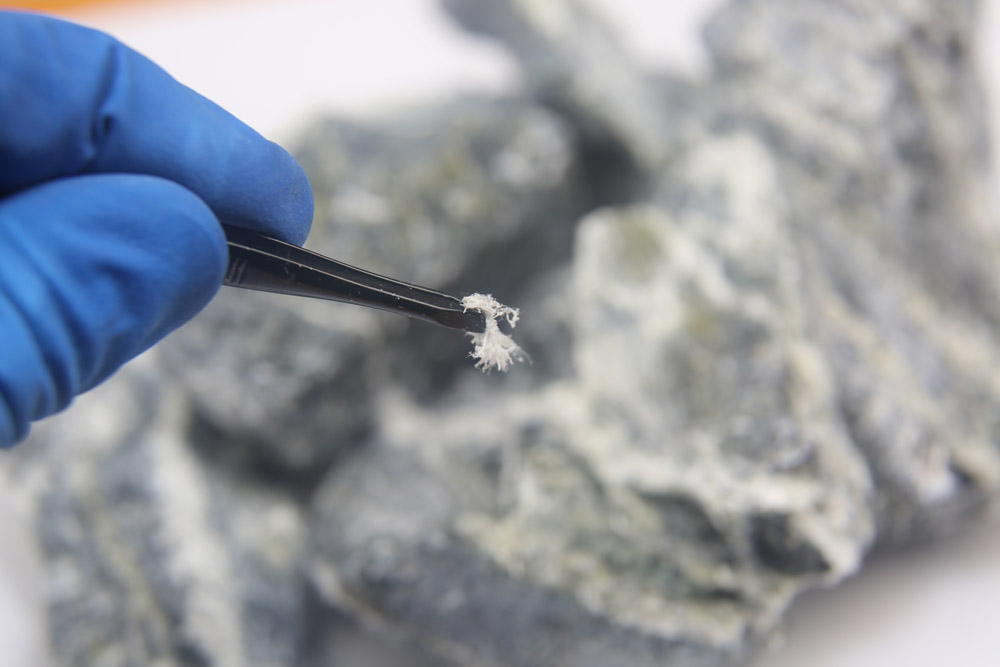
Asbestos is a naturally occurring, fibrous mineral that was previously used in a wide variety of building construction materials. Valued for its heat resistance and efficient fireproofing, asbestos was used in construction for thousands of years before its toxic nature was discovered in the late 1800s and early 1900s. However, it wasn’t until the late 1900s that the United States began regulating its use and disposal.
In 1989, the Environmental Protection Agency (EPA) banned most asbestos-containing products in the United States. Just two years later, that regulation was revised and replaced with lighter bans under a 1991 court ruling. Then in 2024, chrysotile asbestos — the only known form of asbestos still used in or imported to the U.S. — was finally banned and will be phased out by 2037.
As a result, most buildings in the U.S. contain at least some asbestos-containing materials (ACMs), defined as any materials that contain more than 1% of asbestos. For this reason, an asbestos survey, performed by a qualified professional, is commonly required prior to renovation or demolition work that could disturb any ACMs in the existing structure.
Asbestos can be found in:
- Attic and wall insulation containing vermiculite
- Vinyl floor tiles and the backing on vinyl sheet flooring and adhesives
- Roofing and siding shingles
- Textured paint and patching compounds used on wall and ceilings
- Walls and floors around wood-burning stoves protected with asbestos paper, millboard, or cement sheets
- Hot water and steam pipes coated with asbestos material or covered with an asbestos blanket or tape
- Oil and coal furnaces and door gaskets with asbestos insulation
- Heat-resistant fabrics
- Automobile clutches and brakes
 Why is asbestos dangerous?
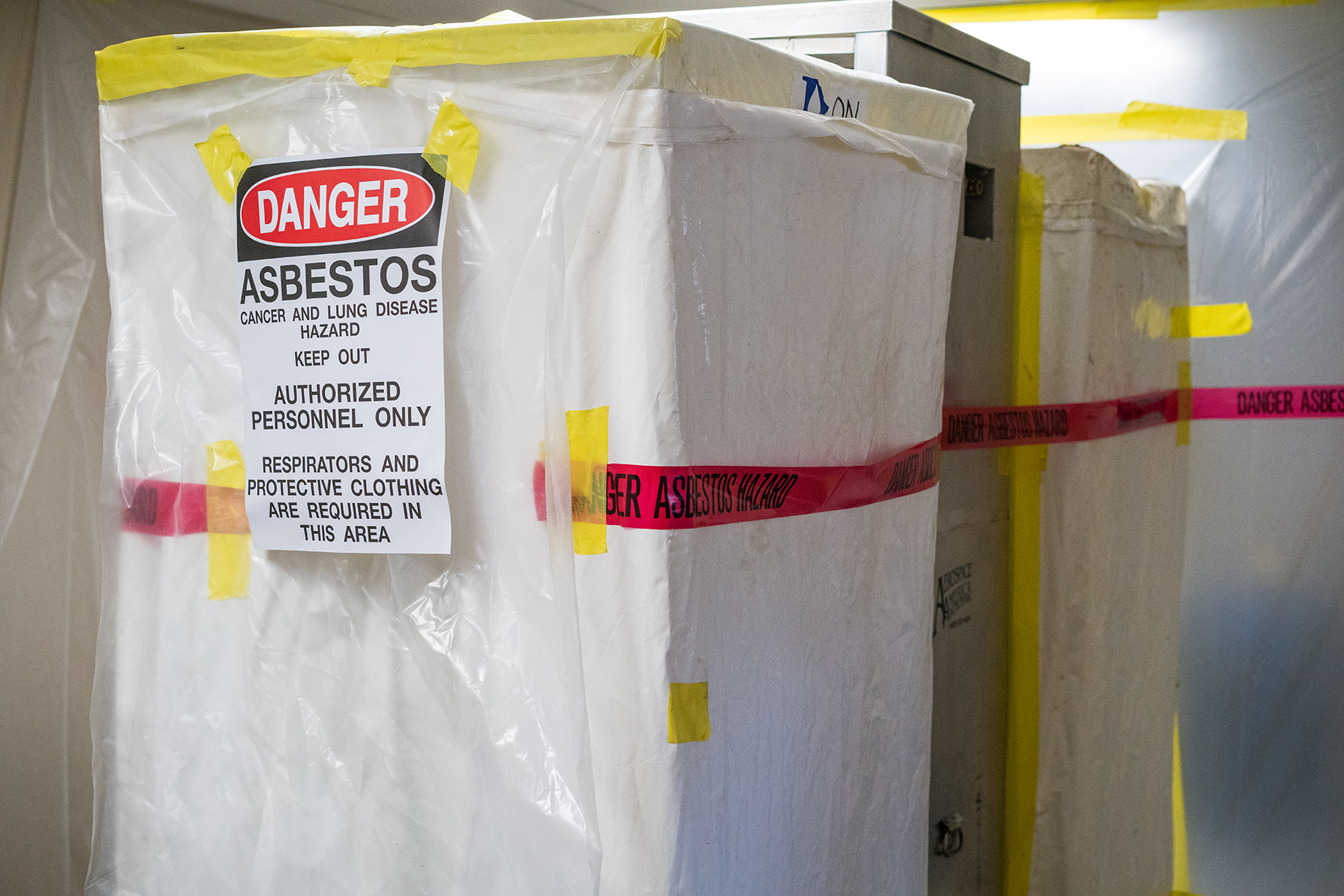
ACMs become health hazards when they are broken, pulverized, crushed, or damaged and become “friable,” meaning the microscopic fibers become airborne. This commonly occurs in building renovations or demolitions, where floor and ceiling tiles are broken and removed and drywall is torn down.
Anyone performing this work is at risk of breathing in asbestos fibers, which can get into the lungs, where they can remain indefinitely. In larger demolitions, the surrounding community is also at risk as weather can pick up and distribute asbestos fibers across a larger area beyond the immediate work site. Inhaling these fibers can cause serious – and often fatal – health problems, including lung cancer, asbestosis, and mesothelioma, a form of cancer with a high mortality rate.
The good news: there are a variety of safe ways to remove ACMs and greatly reduce the health risks associated with asbestos exposure. If you are planning a renovation or demolition — especially on a commercial-use building — it is very likely that federal and local laws will require an asbestos survey conducted by a certified professional.
How can asbestos be safely identified and removed?
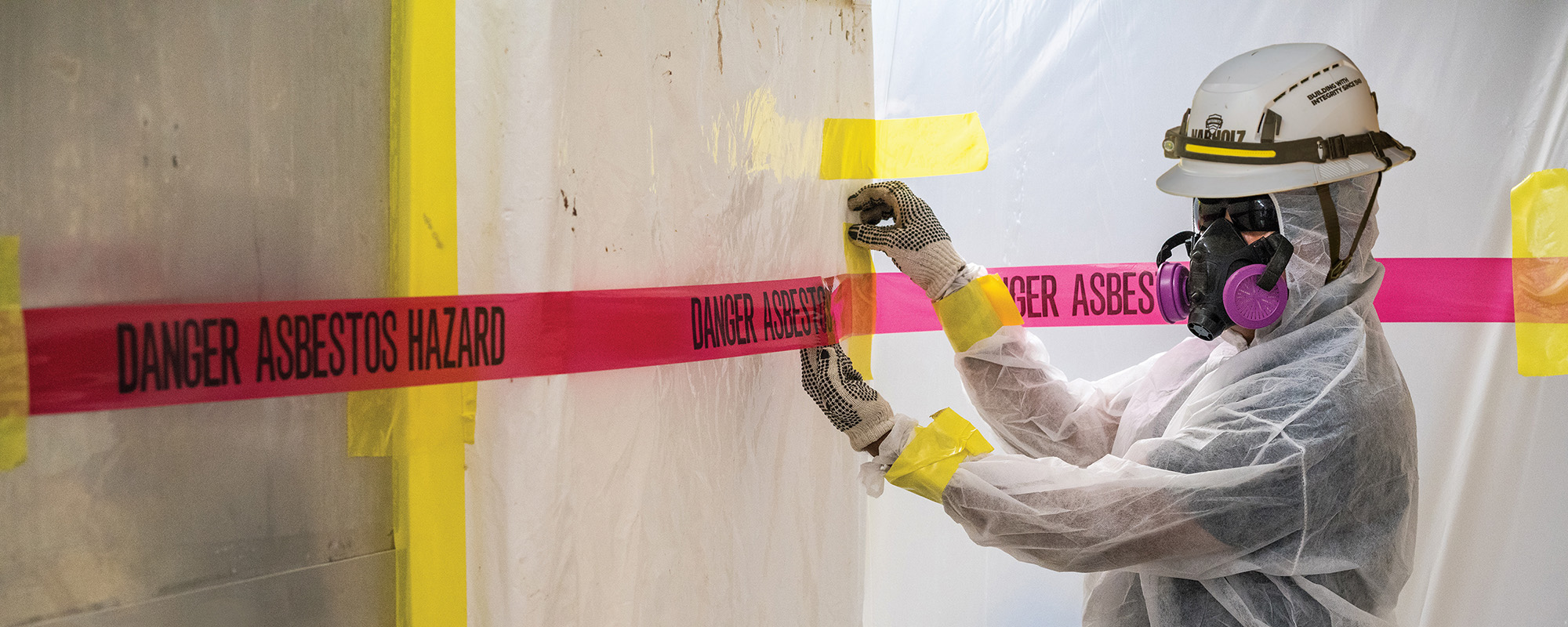
It is impossible to tell if a material contains asbestos by looking at it — it can only be detected through laboratory analysis. Nabholz’s professionals are certified and equipped with the proper tools to safely identify, remove, and dispose of asbestos. Plus, our experts are well-versed in OSHA procedures and EPA regulations, including the Asbestos NESHAP under the Clean Air Act (CAA) and the federal Asbestos Hazard Emergency Response Act (AHERA) for schools.
Nabholz uses a combination of safety measures to remove asbestos from a construction site, including but not limited to:
- Negative air pressure machines
- Personal Protective Equipment (PPE)
- Wet demolition
- Proper disposal in accordance with local and federal laws
- Site decontamination with high efficiency particulate air (HEPA) vacuums
Performing these measures during asbestos abatement ensures worker and public safety during the construction process.
Nabholz’s Asbestos Abatement in Action
When the University of Arkansas hired Nabholz to renovate common areas of Pomfret Hall, Nabholz’s environmental team inspected the building for asbestos-containing materials (ACMs) before construction began. The inspection revealed a significant amount of asbestos requiring extensive abatement work that had to be completed while the building was completely vacant.
However, with planned renovations confined to common areas, the university was counting on keeping its largest residence hall open during construction. This left Nabholz a tight window for completing the hazardous abatement work before 750 students moved in and thousands more students, faculty, and visitors returned to campus in the fall. In just 57 days, the Nabholz team abated more than 57,000 square feet of asbestos-containing materials, a significant portion of which was easily friable, making it especially dangerous.
Dive into just how Nabholz pulled off this large abatement project with our Pomfret Hall case study.
Relevant Services
Environmental Hazard Services ›